Zangemann account included, obedience not included
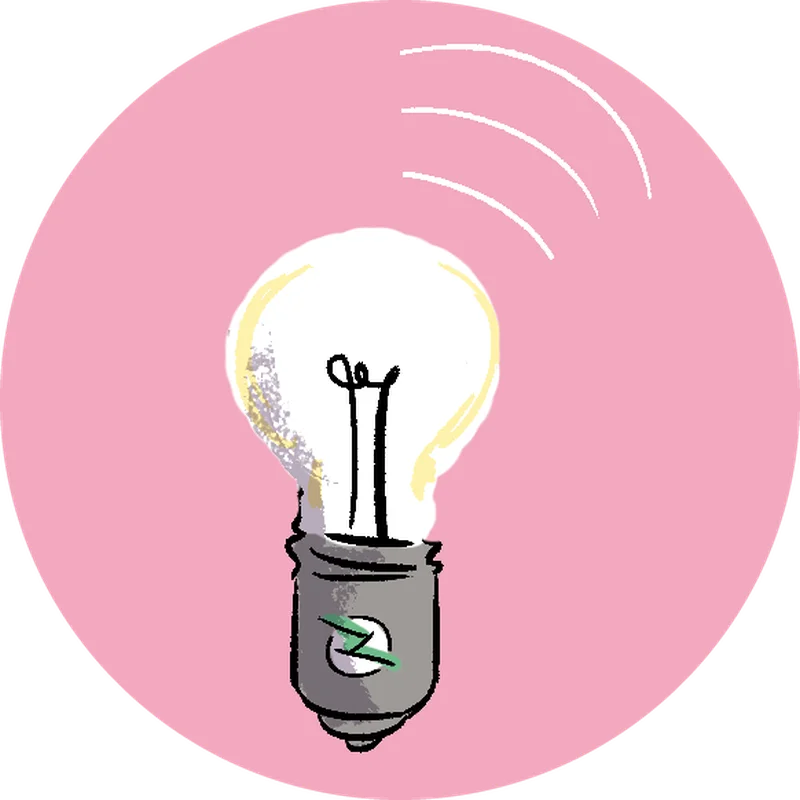
No switch, no fumbling in the dark: the Zangemann lamp turns on and off with a snap of your fingers. A tiny computer in the base listens very carefully.
What it does
Controlled with a finger snap
Fits every socket
Control it from anywhere with your Zangemann account
* The fine print
Excerpt from the Zangemann terms of use, version of last night
§ 9 The lamp only lights up when you are logged in to your Zangemann account. If the server in the villa is unreachable – for example because Zangemann is asleep – it stays dark. Zangemann reserves the right to discontinue the service at any time.
Zangemann builds lamps that switch on and off with a snap of the fingers. Ada, on the other hand, writes her very first program for a tiny LED: “Make this lamp blink!”
Does this exist in real life?
Reality check
Lights, heating, cameras – even implants inside the body: when a device depends on the servers and software of a single manufacturer, its life often ends when that manufacturer loses interest. With Free Software and open standards, others could carry on.
When the server vanishes overnight
In April 2022, smart home company Insteon shut down its servers without warning. The app stopped working, and light switches and sensors could no longer be controlled as before. Many affected users rescued their devices with Free Software such as Home Assistant.
In April 2024, Google shut down Dropcam security cameras and the Nest Secure alarm system: they disappeared from the app and stopped working. On 25 October 2025, the first two generations of the Nest thermostat followed. Since then they can no longer be controlled via the app or remotely – only on the wall itself.
More than 350 blind people around the world received the Argus II retinal implant. It let them perceive light and shadow again. Then its maker, Second Sight, ran into financial trouble, laid off most of its staff in 2020 and ended support. One user experienced her implant simply switching off while she was changing trains on the New York subway. Spare parts and repairs are now hard to come by. In 2022, the journal Nature described more such cases: when the maker of an implant against cluster headaches went bust, more than 700 people were left without the software needed to adjust their devices.